About
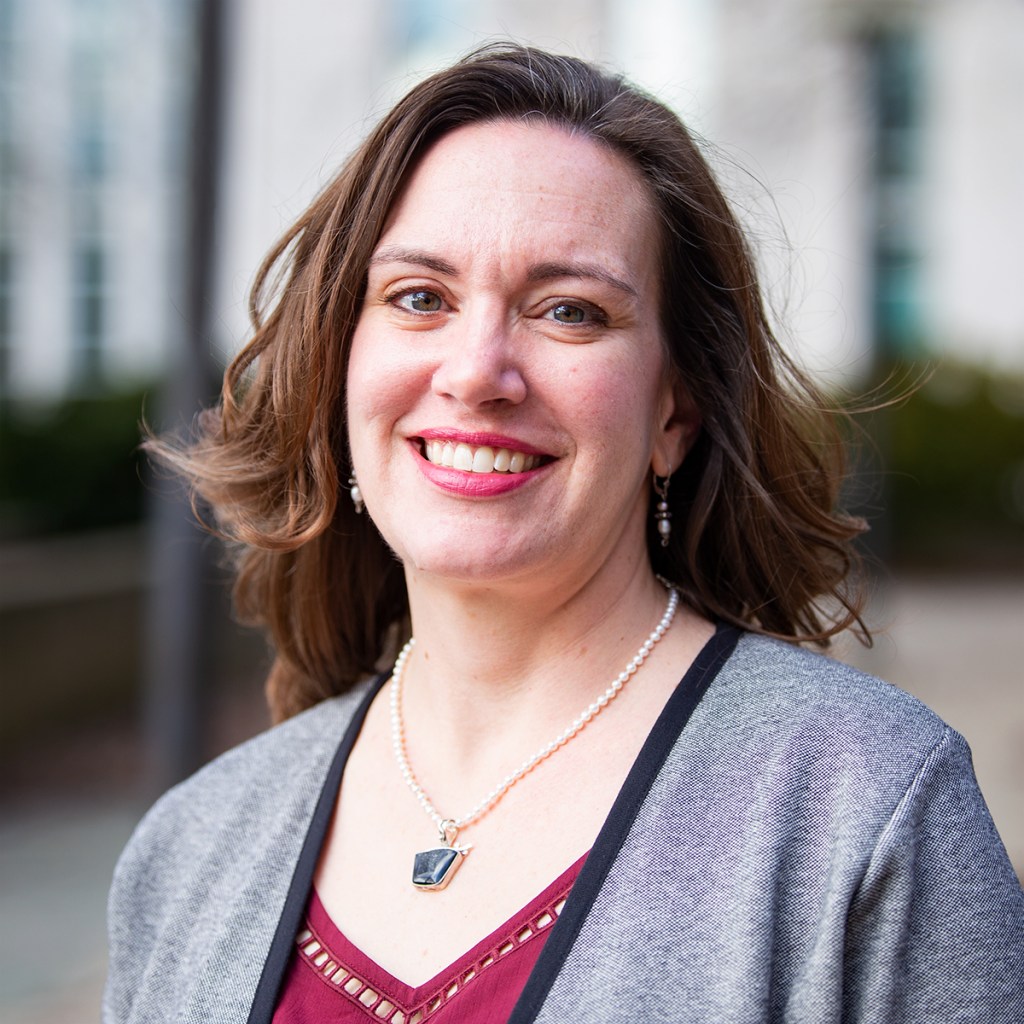
Read more about Dr. Kearns’ professional activities on her Biography page.
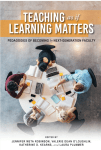
Dr. Katie Kearns is an educator, scholar, and author about the experiences of graduate students. In 2024, she joined the Professional Development Hub (pd|hub), a national initiative to develop evidence-based career development models for graduate students and postdoctoral scholars. She was employed with Indiana University’s graduate school and teaching center from 2005-2023, supporting graduate students and their development and instructional capacities. Her workshops and talks include identity development, building a mentor network, preparing a statement of teaching philosophy, communities of practice, and PhD careers within higher education. Kearns has co-edited two books, Teaching as if Learning Matters (Indiana University Press, 2022) and Higher Education Careers Beyond the Professoriate (Purdue University Press, 2024) and published in educational development journals. She received a PhD in ecology and taught biology at the University of Georgia and Boston University.
Blog
Katie sporadically writes blogs for graduate students and the people who mentor them about graduate student wellbeing and identity development. She also writes about her personal interests including glass blowing, creativity, explorations, community, and living with complex PTSD.
Recent posts
- The Eldering
 The Eldering is the title of my horror film. It’s found in the moment when you realize your cultural anchors don’t land with the people around you. It’s when you realize your biological age and psychological age don’t match up, when what you can do and want to do are not exactly overlapping bubbles. What could satisfying Eldering look like instead of a dystopian psychological horror film?
 - What I want college leaders to understand about teaching centers
 Teaching centers have shaped who I am as an educator and as a human. They’re not just programs or units — they’re places where people are formed, where care, belonging, and professional identity grow together. When they disappear, institutions don’t just lose services; they lose memory, mentorship, and the relational fabric that makes learning possible. In a world that keeps pushing toward speed, scarcity, and extraction, teaching centers quietly do something radical: they protect people, build community, and keep the heart of education alive.
 - A love letter to educational developers
 This is an invitation for educators of goodwill to put fortitude, hope, and courage into the collective pot to share and borrow as needed. Below is what comes to mind for me today.
 - What’s my vision of the future?
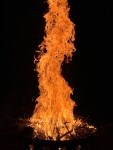
 I don’t recall the series of prompts that invited our imaginations to speak of our future-visions. Yet this campfire scene is my vision of the future that came to me during that keynote. In this future-vision, I move among groups of people as they share stories of memory-keeping, surviving, and thriving. Through songs and recipes, children’s games and elders’ wisdom, they make space for each other’s nourishment, wonder, play, growth, companionship, and comfort.
 - Changing course
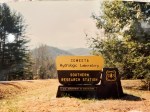 As much as I enjoyed living in the mountains of western North Carolina, I became aware that I did not enjoy the experiment and field work enough to keep going or do it over. The research question was important, but I needed to not be the person doing it with degree progress depending on the weather cooperating. My dissertation life had become unmanageable to me.
Categories
- grad student development (40)
- personal (47)
- professional (43)
- Uncategorized (5)
Tags
art career coaching community creativity CTL education educational development faculty development family fears graduate-school grief havening hero's journey higher-education identity improv initiation learning love mental health mentoring motivation pedagogy phd publications research storykeeping tattoos teaching teaching center trauma wellbeing

