“I think I want to change advisors, but I’m scared about what will happen.”
I heard some version of that statement many times over the 20 years I worked in the teaching center and graduate school. Graduate students shared with me their thoughts about quitting graduate school or changing advisors, research groups, committee members, or even programs. I remember the graduate students’ expressions of fear that someone would be mad, despair that a situation they couldn’t manage wasn’t changing, shame that they had let someone down and that people might think less of them, and sadness that a path that had good parts was coming to an end. At the same time, the graduate students also demonstrated great courage and wisdom in their pursuit of what was life-affirming to them, acceptance of the realities of what would and wouldn’t change, and determination to make empowering choices for themselves and change course.
For all the graduate students who are afraid about what might happen if they change advisors, here is my own story of changing PhD advisors.
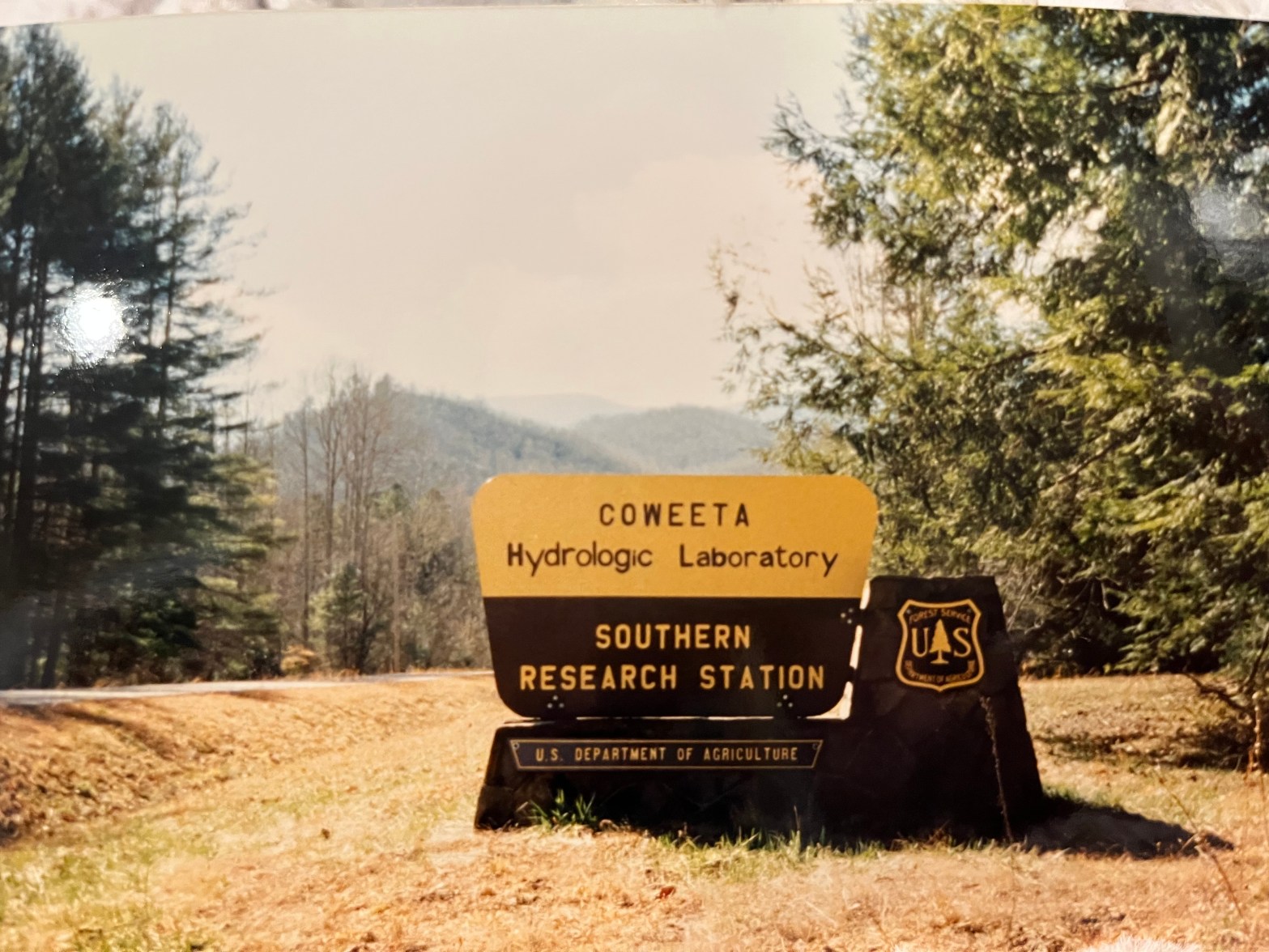
Lately, early mornings and late afternoons in southern Indiana remind me of my long summer of graduate field work in 1996 in western North Carolina. I lived at a field station with one shared bathroom for 14 people and no AC for about five months. There were just a couple of us who were staying there the whole extended summer. Small groups of grads and postdocs from UGA, Duke, NC Chapel Hill, and other nearby research universities occasionally came by for a few days. I was collaborating with another graduate student on the project; although we’d sometimes overlap our stays, we hardly saw each other. Sometimes I was alone up there for several days with just a black bear mama and cub, who snacked on the blueberry bush under the window above my cot.
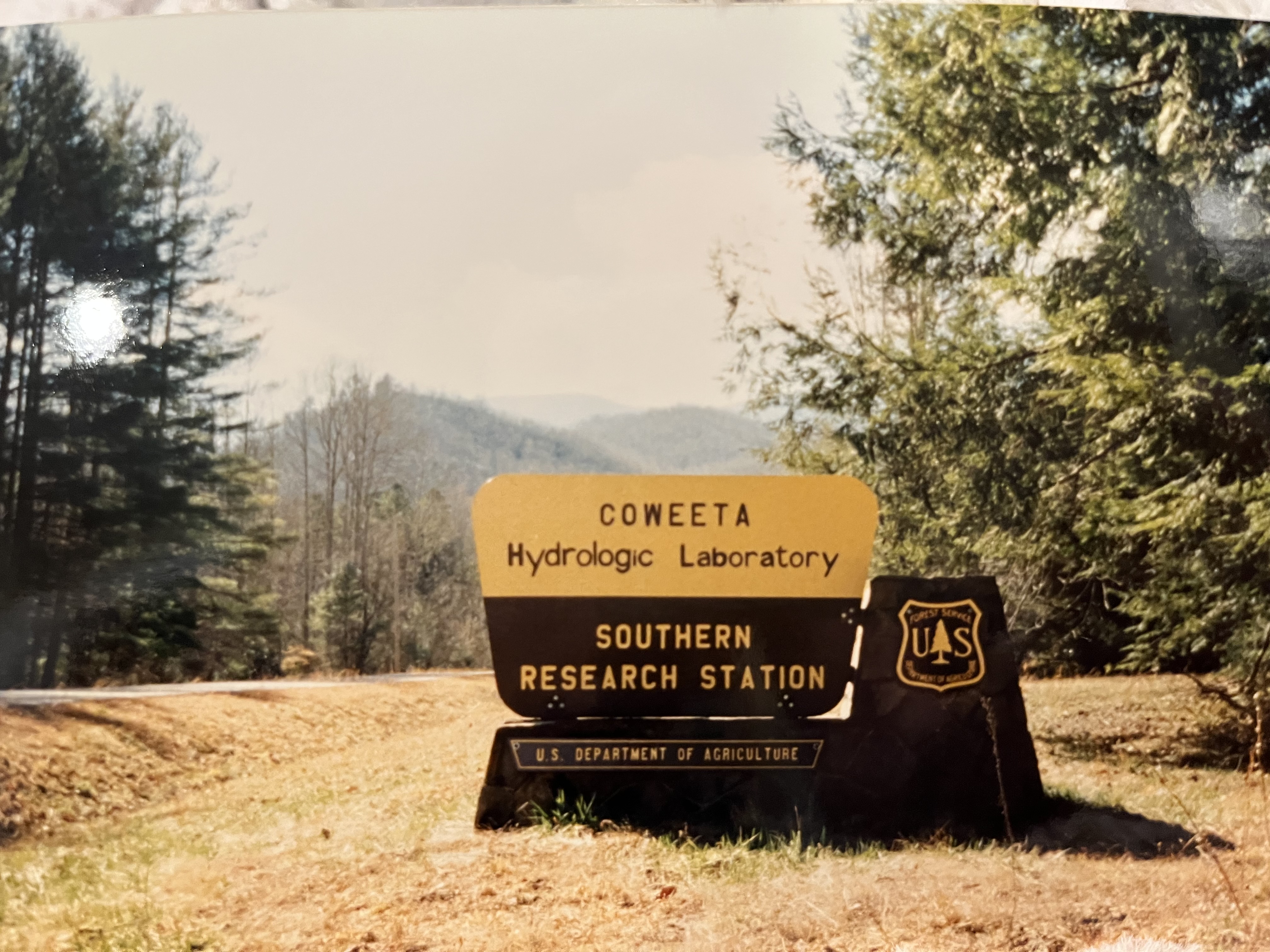
During the day, I hiked up and down multiple trails and fire lanes to stream stations, changed 9 volt batteries in fence chargers, and took samples of the stream water and sediment. In the evenings, I spent time in the field lab picking aquatic bugs out of samples, preserving them for later identification. At dawn and dusk, I went on long walks along the flat windy road through small farms tucked into the hillside. The walk was about three miles from the bottom of the slope out to the main four-lane, north-ish/south-ish mountain highway 441. Although it was an era of portable CD players, I chose to listen to the noises from the cicadas, crickets, and red-winged blackbirds. Occasionally, a manual transmission pick-up truck would drive by; with one hand on the wheel, the driver would uncurl those four fingers in a reserved “hello” gesture. Some neighbors, bending over their front gardens, would stand up, wave with their whole arm, and holler a cheery, articulated “good morning” as if I was their grandchild come to visit and see the new lambs.
It feels like a completely different era and a version of me that feels both right here and so far in the past. I was 22 years old. I was barely out of college, cooking for myself for the first time, driving alone for hours between six different sites every day, and hiking in the wilderness by myself for miles with heavy equipment on my back. In 1996, this was long before mobile phones. We could make long distance calls from the field station, but we had to write down in a logbook the day, time, and number we called to be personally billed for later. We had one shared computer with internet. No TV. I ate the same lunch and dinner every day: tuna sandwich, goldfish, and two Keebler chocolate cookies. I tried to make grilled cheese sandwiches once up there but I burned the butter, not knowing how to cook at high altitude. So I stuck to making myself sandwiches on toast.
With the daily hiking for field work all day long, long walks, meal routine, and great sleep, I lost a lot of weight during that summer field season. It was an emotionally isolating and physically challenging time. I mildly electrocuted myself multiple times with those fence chargers. I was stung often by bees and wasps. I regularly shared stream space with cows taking cooling baths. I swear I saw a spider the size of my hand jump from a tree trunk into the water. Potted meat and boiled peanuts were pretty scary to me, too, I’ll be honest. I look fondly on that time now and all the courage I exhibited in my early 20s to do hard things in the rural mountains of North Carolina.
A major turn in my graduate school story occurred that summer. A hurricane came through, inland enough to bring huge amounts of rain and tree damage to western North Carolina. We were safe hunkered down in the field station. However, all of the equipment we had set up in six different streams washed downstream. We spent days searching for expensive gear in larger streams and rivers. An experiment that was meant to be a multi-month, longitudinal view of the phyto- and zooplankton growth season in a stream became just a couple weeks long. As much as I enjoyed living in the mountains of western North Carolina, I became aware that I did not enjoy the experiment and field work enough to keep going or do it over. The research question was important, but I needed to not be the person doing it with degree progress depending on the weather cooperating. My dissertation life had become unmanageable to me.
I decided to prioritize my degree completion and college/grad school nerd-crush on the interactions of phytoplankton and zooplankton, which meant choosing bench work. Those priorities also meant I had to let go of some things. I had to change advisors and I had to let go of beliefs that changing advisors was “quitting”, was going to hurt that first advisor’s feelings, was evidence of being a bad or difficult student, or was a dark spot that would mar my professional progress forever. Even with all those critic-voice beliefs, the path forward was completely clear to me. I talked with the director of graduate studies about it, and he recommended someone (their wife) who was a good fit scientifically. That was one of the loneliest fall semesters of my life as she wrestled with a health concern that meant she had to work from home (this was LONG before zoom; we rarely had meetings, that were always by phone). I saw once again that my path to degree completion had a great deal of dependency on something completely out of my control.
At the time, I was taking a graduate course in population ecology, right across the hall from the empty research lab I sat in every day for nearly a semester. On the day he lectured about inter-species interactions, I got up the courage to ask the professor who taught that course to be my PhD advisor (yes, this was now my third advisor in graduate school). I remember later sitting in the atrium of the building with him, mapping together the four chapters of my dissertation and a specific timeline to graduation. My dissertation about the interactions between toxic algae and aquatic zooplankton was advised by someone who studied interactions between oak tree phenolics and parasitoid wasps. He was the dissertation coach, advisor, mentor, and champion I needed in order to complete and successfully defend my dissertation. I did my bench work in the research lab of one of my committee members, a microbiologist in a different building. At the time, my (final) PhD advisor had a rule with his graduate students; we had to have all of our chapters submitted for publication before we could graduate. By the time I was in my new job in January 2001, I was responding to accept-with-revision comments on those papers. It was a sprint mile to the marathon finish line, but I am so glad for that push.
The choice to change advisors also meant that my funding changed from a grant to teaching assistantships. One of my earliest memories of teaching was as a teaching assistant for my advisor’s population ecology course. On St. Patrick’s Day, he began the class lecturing in Welsh (he got his degree at Oxford). It took about five minutes before someone in class raised their hand to say they didn’t understand. The shift in the undergraduates’ emotions from anticipating a mundane day of class to confusion to realization to shared laughter sticks out to me. My early teaching experiences were formative in a very positive way. Those teaching assistantships led me on a long path exploring my passion for pedagogical mentorship of graduate students.
 Katie Kearns