Teaching centers have shaped who I am as an educator and as a human. They’re not just programs or units — they’re places where people are formed, where care, belonging, and professional identity grow together. When they disappear, institutions don’t just lose services; they lose memory, mentorship, and the relational fabric that makes learning possible. In a world that keeps pushing toward speed, scarcity, and extraction, teaching centers quietly do something radical: they protect people, build community, and keep the heart of education alive.
Author Archives: Katie Kearns
A love letter to educational developers
This is an invitation for educators of goodwill to put fortitude, hope, and courage into the collective pot to share and borrow as needed. Below is what comes to mind for me today.
What’s my vision of the future?
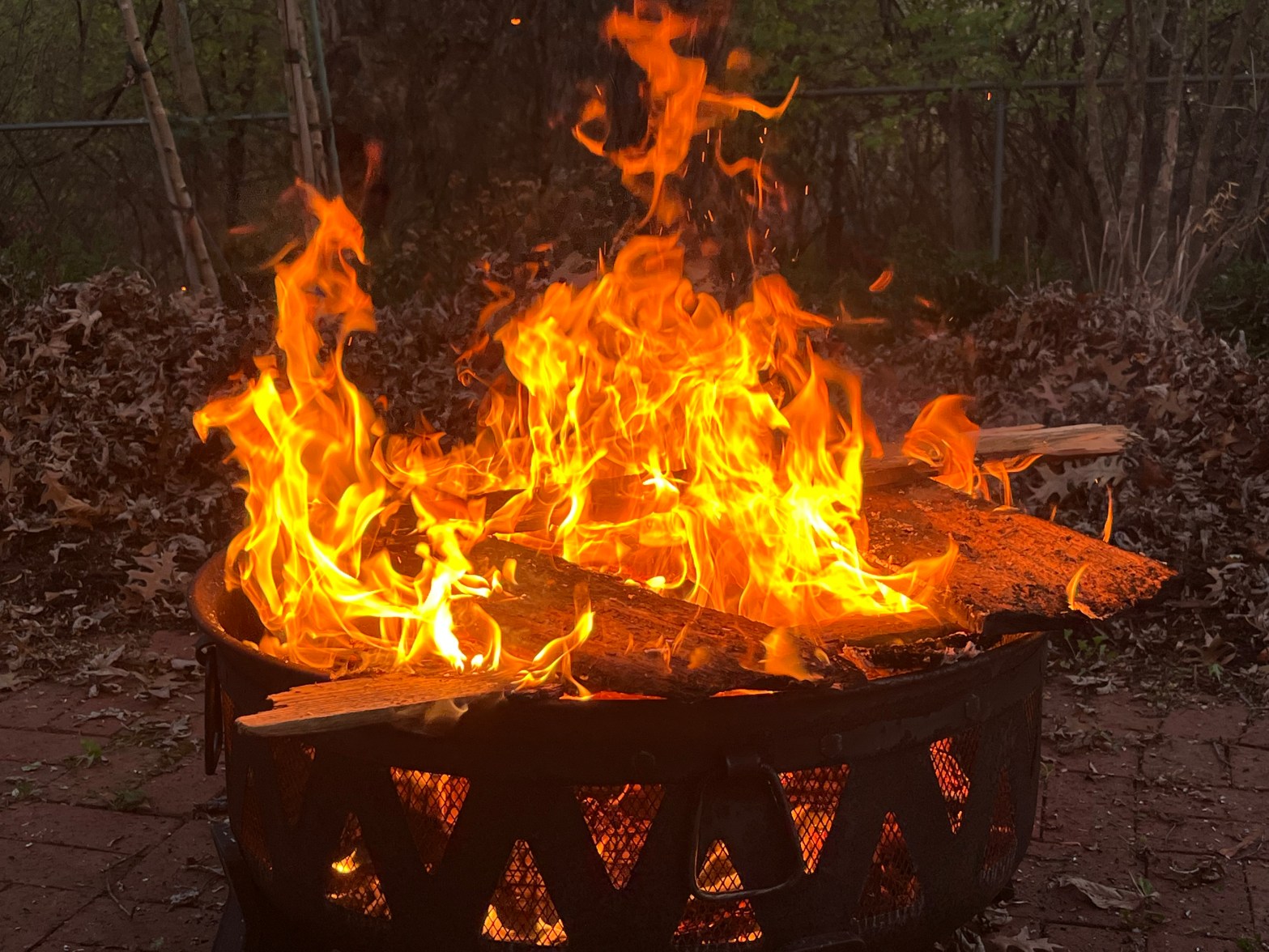
I don’t recall the series of prompts that invited our imaginations to speak of our future-visions. Yet this campfire scene is my vision of the future that came to me during that keynote. In this future-vision, I move among groups of people as they share stories of memory-keeping, surviving, and thriving. Through songs and recipes, children’s games and elders’ wisdom, they make space for each other’s nourishment, wonder, play, growth, companionship, and comfort.
Changing course
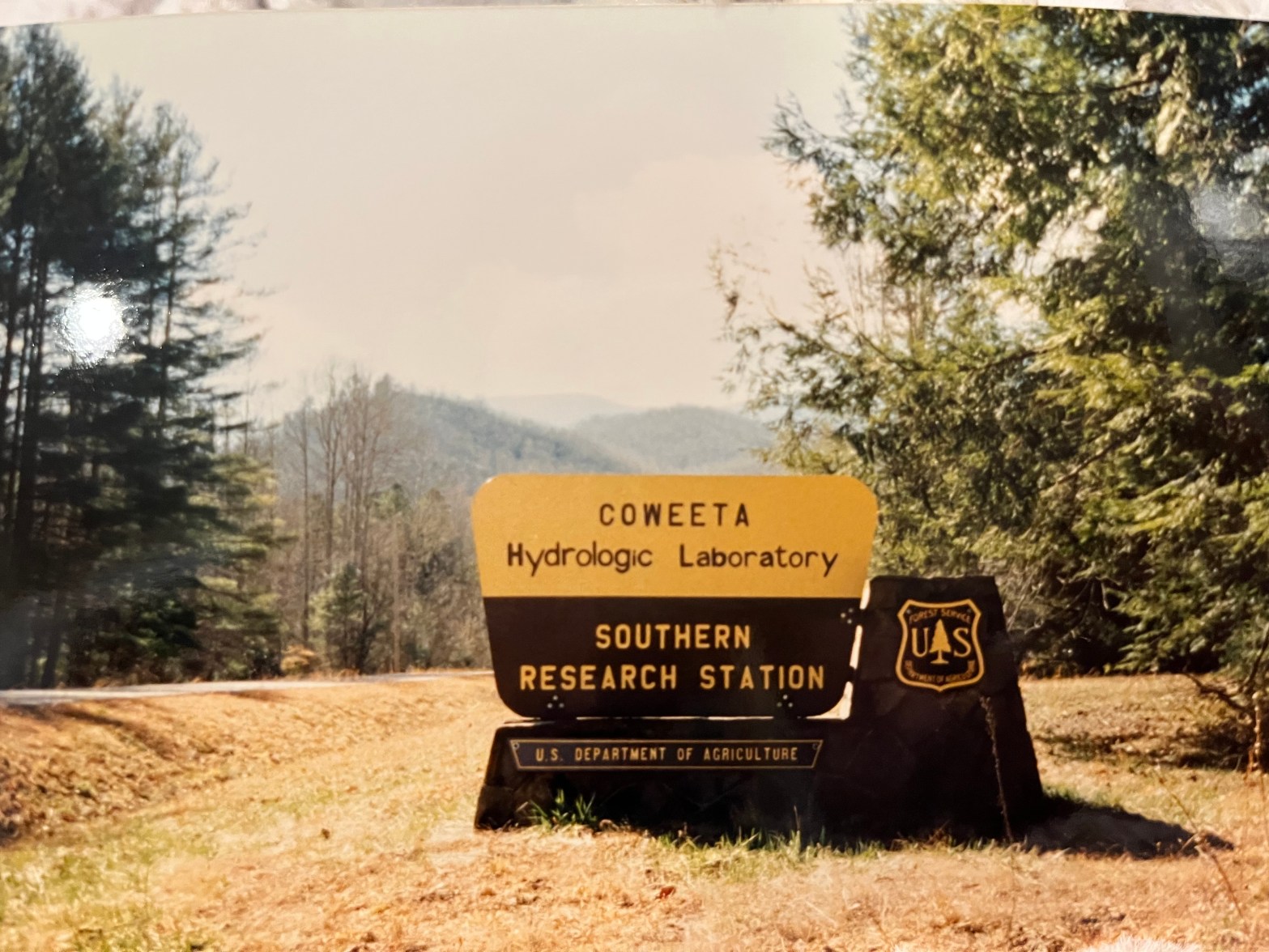
As much as I enjoyed living in the mountains of western North Carolina, I became aware that I did not enjoy the experiment and field work enough to keep going or do it over. The research question was important, but I needed to not be the person doing it with degree progress depending on the weather cooperating. My dissertation life had become unmanageable to me.
Asking powerful questions
My former graduate students have been stepping into their power, and I am delighted. They are keeping their fires lit. Meanwhile, I feel like my internal house has been burning down and left to ashes. I have been in my own stalled labor into elderhood. In the last five years, I have witnessed as an academic doula so many miscarriages of power and so much distressed and stalled labor among the graduate students I supported and staff I had the honor of walking beside. It hurt my heart and squashed my spirit to witness, to be a part of, and to not be able to prevent or cure. Almost a year ago today, I gave a keynote talk about professional crossroads at a national conference on grad and postdoc career development. To all of you reading who attended my talk, I’m sorry. It was my best at the time, but it was not the storytelling I am capable of when I am calm, anchored, and clear in the story that wants to be heard. I was definitely at a professional and personal crossroads. I was “knocked on [my] ass by the demands of leading,” from Jerry Colonna’s book Reboot: Leadership and the Art of Growing Up (Harper, 2019, p. 47). I had left a job just weeks before that wasn’t a good fit for my passions, talents, gifts, interests, and higher purpose. An interesting thing DID happen while I was at that conference that planted a delightful seed, that ever so slightly moved me out of the deconstruction and demolition phase. That’s when the therapeutic seed was planted that I wanted the skill of coaching.
Fall Harvest
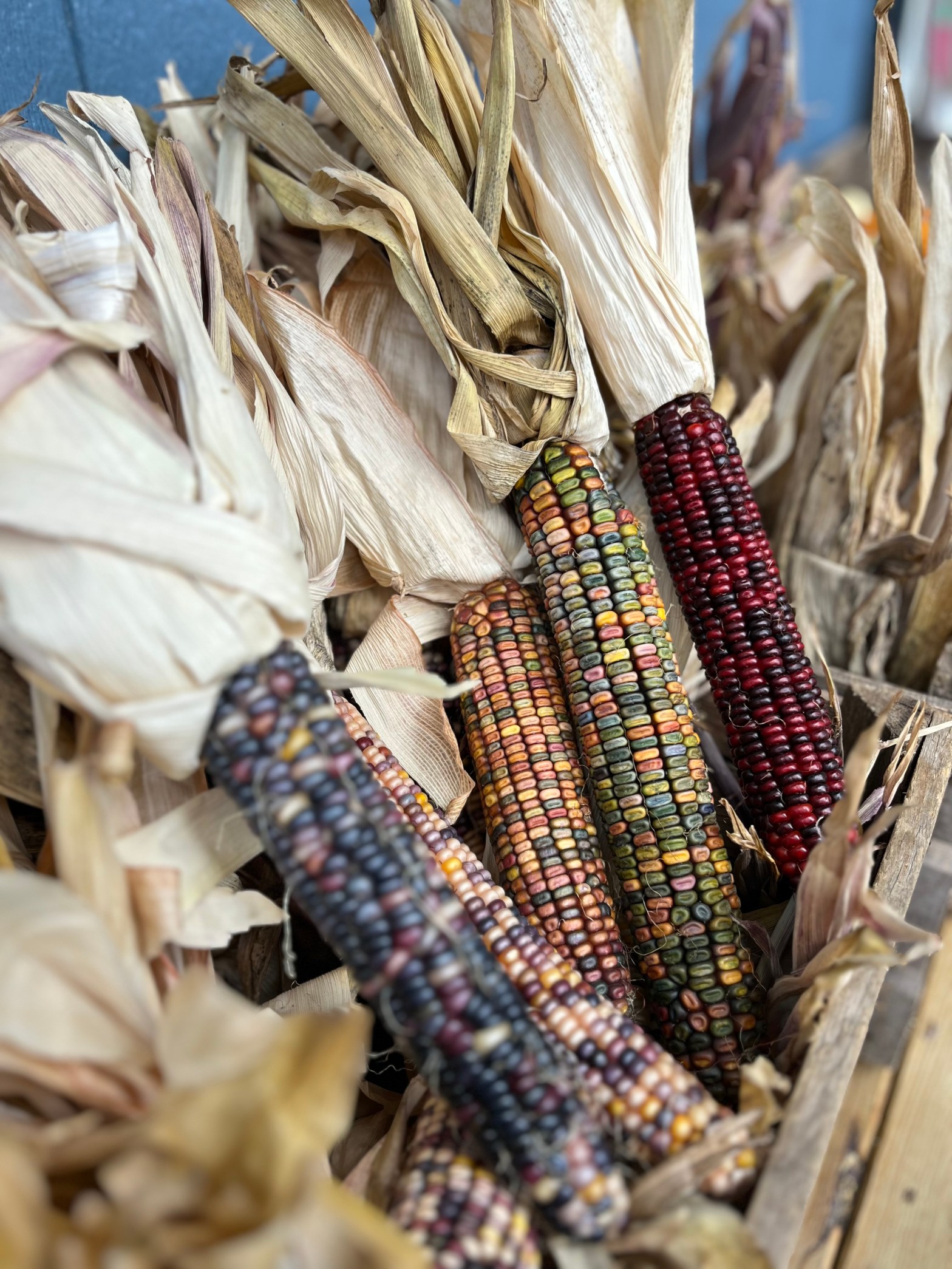
I have been compassionately harvesting pedagogy lessons from this past semester teaching a graduate course in college pedagogy. Harvesting seems like an appropriate word given the end of fall and beginning of winter is upon us. Parker Palmer’s poem, The Harrowing offers grace and guidance about harvesting and plowing, reminding us to plow, not to dig up the past and find all the faults, but to prepare for the future growing season.
What’s love got to do with teaching?

I am supposed to teach about theories of learning and specific teaching practices in my graduate course in college pedagogy. I really love the opportunity to dig deeper, beyond theories and strategies, to talk about love (and fear) as a choice in the classroom. Let me share a little about what I mean by love and fear, the work of others I draw upon, and a couple activities I use.
Not just a course design institute

“Transforming Your Research Into Teaching” (TYRIT) came about because eight people, each leading their own course design institutes for graduate students and postdocs at different institutions, thought there must be a better way to do this. We were each delivering the same course design content in workshops, and we were finding ourselves reiterating the content in one-on-one consultations about job application materials. Drawing upon previous work from a member of our team, we started asking questions about the potential design of a course institute for grads and postdocs. Most of all: What if multi-institution, flipped model, hybrid workshops weren’t just about delivering content at scale, but about supporting boundary-crossing communities of belonging and purpose?
Motivation and (di)stress
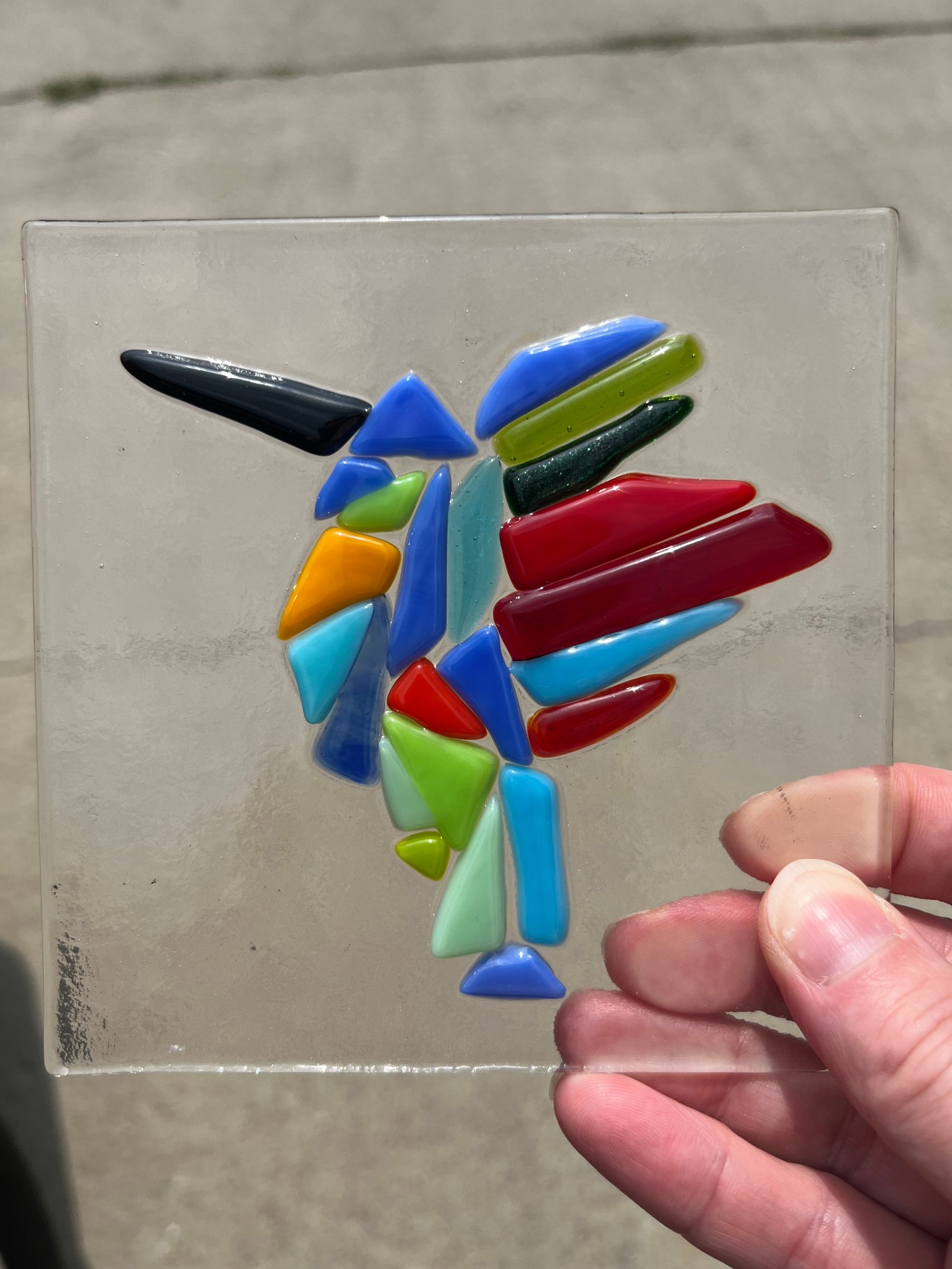
For the pedagogy course I’m teaching, we’re reading How Learning Works. In Chapter 4, they summarize research about motivation and the interactions among goals, task value, expectations of success, and environmental support. As mentors, coaches, and consultants to graduate students, we support their process of discernment and resourcing to support their internal motivations. We help them identify and clarify the intrinsic and utility values of a task they want to do or are expected to engage in. We help them set reasonable expectations for their success by helping them identify their existing strengths as well as needed skills for new tasks. And we are an affirming space that helps them develop a plan for connecting with additional resources and assistance. What about the fear-avoidance behaviors as part of motivation?
Origins of “Teaching as if Learning Matters:” A book for and by graduate students about becoming teachers
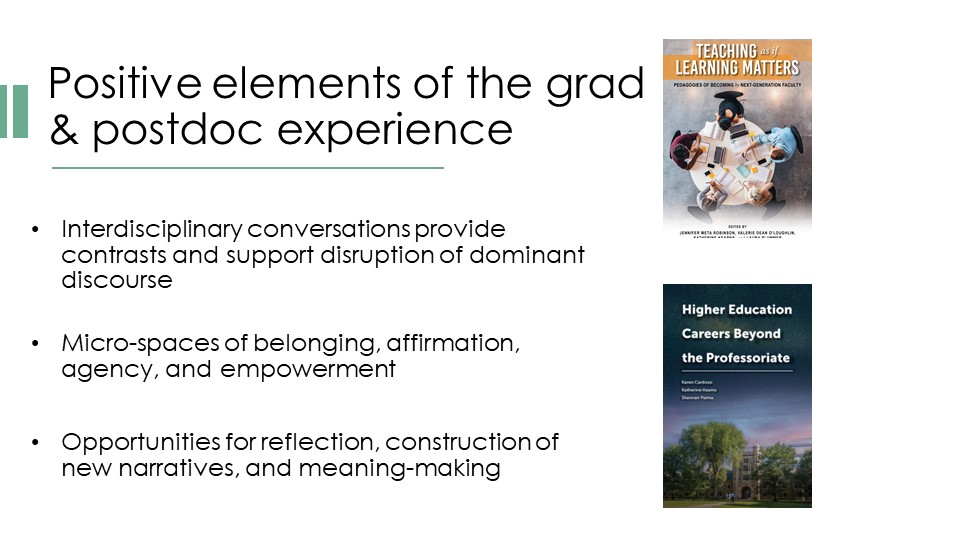
At least three seeds started a new garden for me in graduate student development: who is at the center (marginalized graduate students), what is at the center (the embodied experience of becoming a teacher), how things are centered (how we talk with each other, what we talk about, what we read, what kind of knowledge is privileged). Being part of that learning community in 2015 fundamentally changed how I am part of the scholarly community in graduate student development.
 Katie Kearns