It is possible for graduate students to check the boxes and to zombie-walk through the initiations and benchmarks of graduate school. Graduate students need and deserve mentoring that is intentional and cognizant of their meaning making process.
Author Archives: Katie Kearns
Making meaning (Part I)

To me, meaning-making is the way we make deliberate mindful observations, recounting and interpreting stories we find significant and important. It’s the “being” part of human beings.
Guardrails and bowling bumpers: Reframing boundaries
I’m starting to reframe boundaries now as the abundance of time, space, and energy I need to bring my love-based self to the table. Instead of boundaries, I’m thinking about guardrails and bowling bumpers – adaptations to my life that make it less likely to get off track or fall off the cliff into fear, shame, and scarcity mindsets.
If you’re on leave, be on leave, Katie
I’m sharing with you my journey through recovery from burnout, the struggles I’ve encountered, what and who has been helpful, and how my thinking and behavior are starting to change..
Dissertation Blues
I often see PhD students, successfully on the other side of these passages, in a state that looks like mourning (as if they hadn’t passed). Even students who have successfully defended their qualifying examples or dissertations experience a lost sense of purpose, listlessness, languidness, low motivation, and lack of direction. I want graduate students to be able to talk together about these experiences and their attendant complex, competing, and ambivalent emotions.
What I’ve been doing on my break
I’ve been on a mental health leave from my employment in graduate student professional development for almost two weeks now. I’m spending this time recovering physically and mentally from pandemic burnout. I’m sharing some reflections on my physical and mental recuperation. For graduate students reading, I hope my story helps you check in with how you are _really_ doing and gives you courage to ask for what you _really_ need right now.
Journey back to integrity: Why am I taking this leave?
I decided two weeks ago to take a seven-week medical leave of absence for my mental health. I have also decided to share some of that journey with you. I hope that my courage to share my vulnerabilities gives courage to graduate students and their mentors to check in with how they’re _really_ doing, decide what they need right now, and claim their right to have those needs met.
Back to “Normal”

I’ve been thinking about what it means to me to both move forward and return to normal in a psychologically and socially healthy way. And I’ve been thinking about how this transition relates to the work I do in helping graduate students make sense of their significant transitions during graduate school
Grad student stress and distress
I am sharing this story because I want readers to know what graduate student distress sounds like. I want readers to be moved and affected by these graduate students and their peers.
There’s something about graduate students
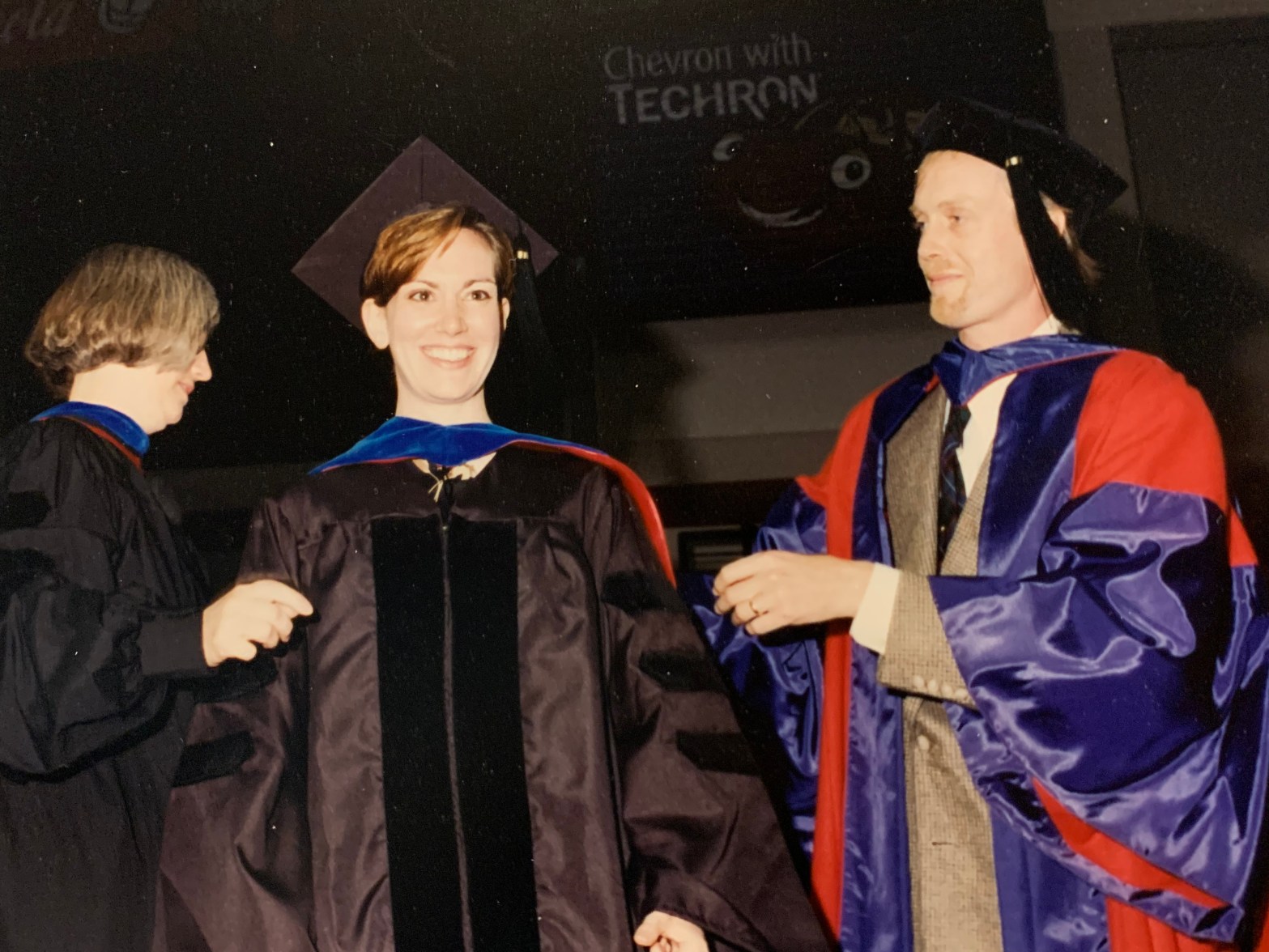
This is the time of year when many grads and postdocs, curious about non-faculty careers for people with advanced degrees, ask me about my journey to my present position as an “assistant dean” in a graduate school. Inevitably, I find myself explaining the field I’m in now and what “graduate student development” means.
 Katie Kearns