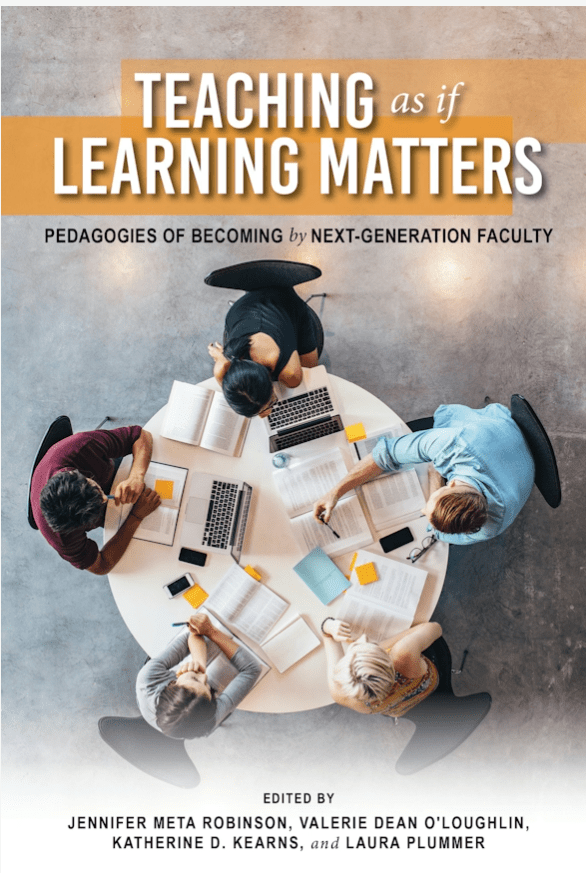
Teaching centers have shaped who I am as an educator and as a human. They’re not just programs or units — they’re places where people are formed, where care, belonging, and professional identity grow together. When they disappear, institutions don’t just lose services; they lose memory, mentorship, and the relational fabric that makes learning possible. In a world that keeps pushing toward speed, scarcity, and extraction, teaching centers quietly do something radical: they protect people, build community, and keep the heart of education alive.
Tag Archives: community
What’s my vision of the future?
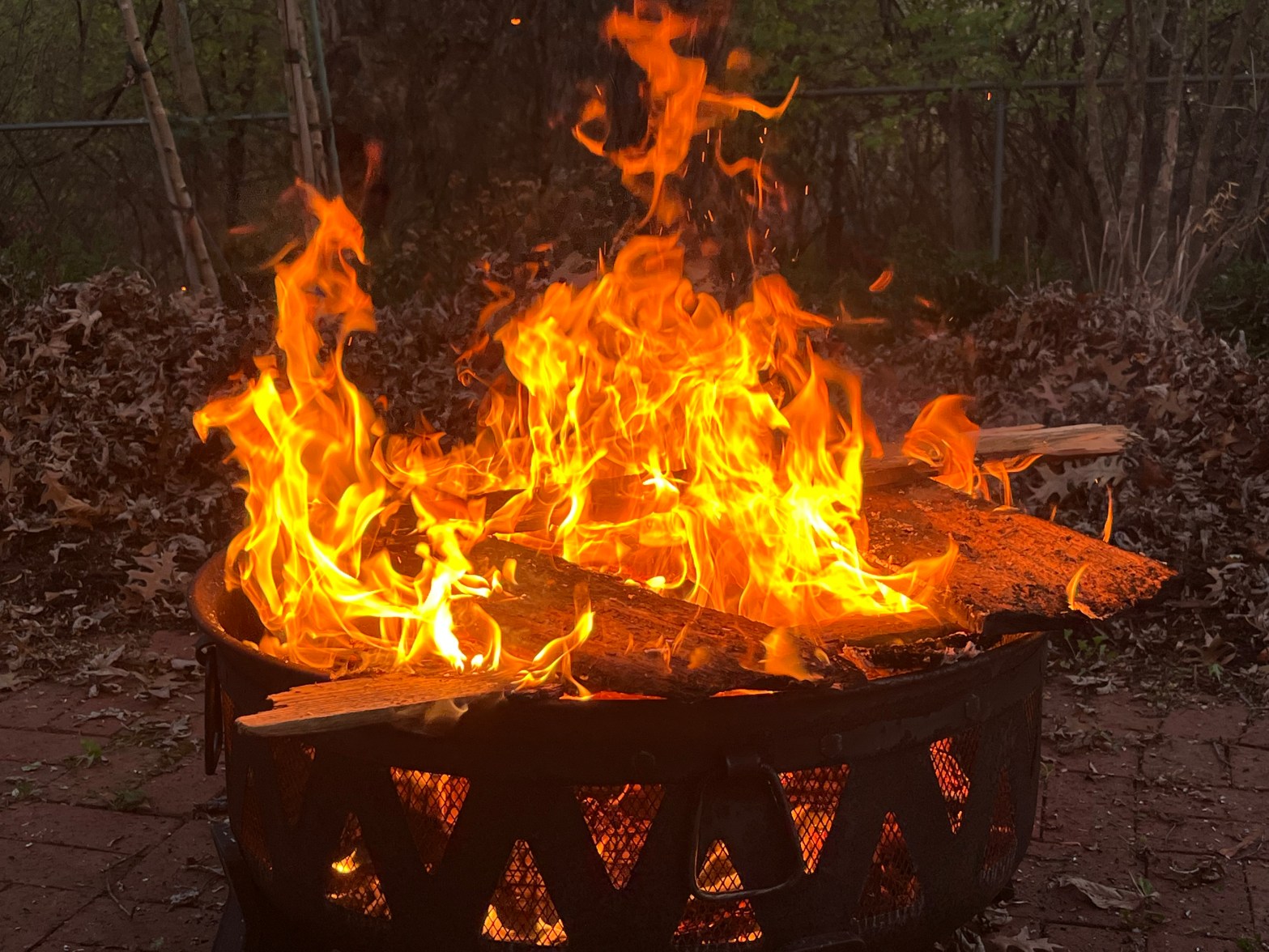
I don’t recall the series of prompts that invited our imaginations to speak of our future-visions. Yet this campfire scene is my vision of the future that came to me during that keynote. In this future-vision, I move among groups of people as they share stories of memory-keeping, surviving, and thriving. Through songs and recipes, children’s games and elders’ wisdom, they make space for each other’s nourishment, wonder, play, growth, companionship, and comfort.
Asking powerful questions
My former graduate students have been stepping into their power, and I am delighted. They are keeping their fires lit. Meanwhile, I feel like my internal house has been burning down and left to ashes. I have been in my own stalled labor into elderhood. In the last five years, I have witnessed as an academic doula so many miscarriages of power and so much distressed and stalled labor among the graduate students I supported and staff I had the honor of walking beside. It hurt my heart and squashed my spirit to witness, to be a part of, and to not be able to prevent or cure. Almost a year ago today, I gave a keynote talk about professional crossroads at a national conference on grad and postdoc career development. To all of you reading who attended my talk, I’m sorry. It was my best at the time, but it was not the storytelling I am capable of when I am calm, anchored, and clear in the story that wants to be heard. I was definitely at a professional and personal crossroads. I was “knocked on [my] ass by the demands of leading,” from Jerry Colonna’s book Reboot: Leadership and the Art of Growing Up (Harper, 2019, p. 47). I had left a job just weeks before that wasn’t a good fit for my passions, talents, gifts, interests, and higher purpose. An interesting thing DID happen while I was at that conference that planted a delightful seed, that ever so slightly moved me out of the deconstruction and demolition phase. That’s when the therapeutic seed was planted that I wanted the skill of coaching.
Fall Harvest
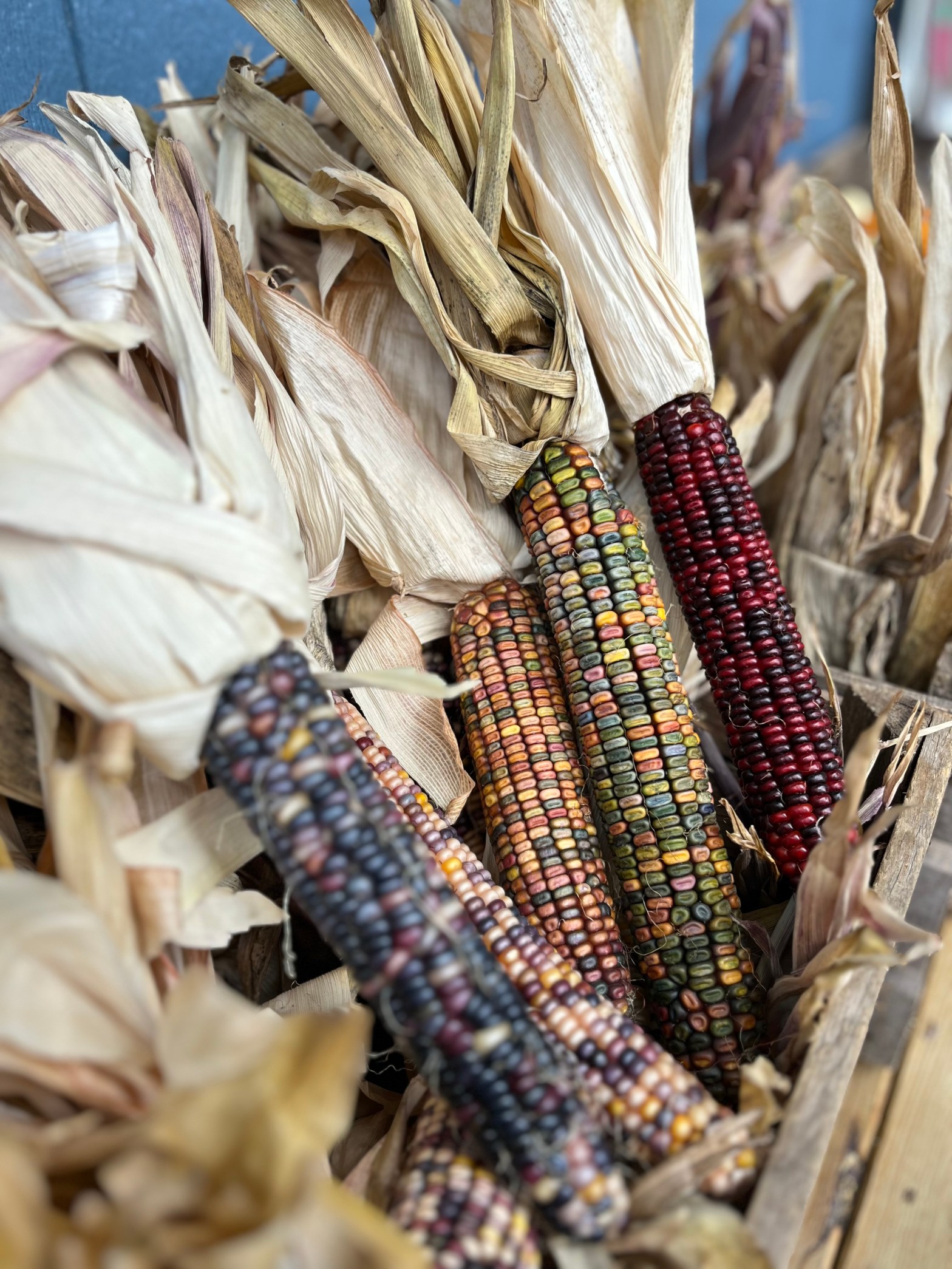
I have been compassionately harvesting pedagogy lessons from this past semester teaching a graduate course in college pedagogy. Harvesting seems like an appropriate word given the end of fall and beginning of winter is upon us. Parker Palmer’s poem, The Harrowing offers grace and guidance about harvesting and plowing, reminding us to plow, not to dig up the past and find all the faults, but to prepare for the future growing season.
What’s love got to do with teaching?

I am supposed to teach about theories of learning and specific teaching practices in my graduate course in college pedagogy. I really love the opportunity to dig deeper, beyond theories and strategies, to talk about love (and fear) as a choice in the classroom. Let me share a little about what I mean by love and fear, the work of others I draw upon, and a couple activities I use.
Not just a course design institute

“Transforming Your Research Into Teaching” (TYRIT) came about because eight people, each leading their own course design institutes for graduate students and postdocs at different institutions, thought there must be a better way to do this. We were each delivering the same course design content in workshops, and we were finding ourselves reiterating the content in one-on-one consultations about job application materials. Drawing upon previous work from a member of our team, we started asking questions about the potential design of a course institute for grads and postdocs. Most of all: What if multi-institution, flipped model, hybrid workshops weren’t just about delivering content at scale, but about supporting boundary-crossing communities of belonging and purpose?
Facing self-doubt: Teaching a grad pedagogy course

Despite coaching so many people through their own decision-making, I never stepped back and asked myself what I would do and why with a graduate pedagogy course. Somehow, I never, ever gave a thought to how I would want to teach my own graduate course in college pedagogy. I never invited myself to develop self-awareness and self-authority within that community of pedagogy faculty.
It’s complicated
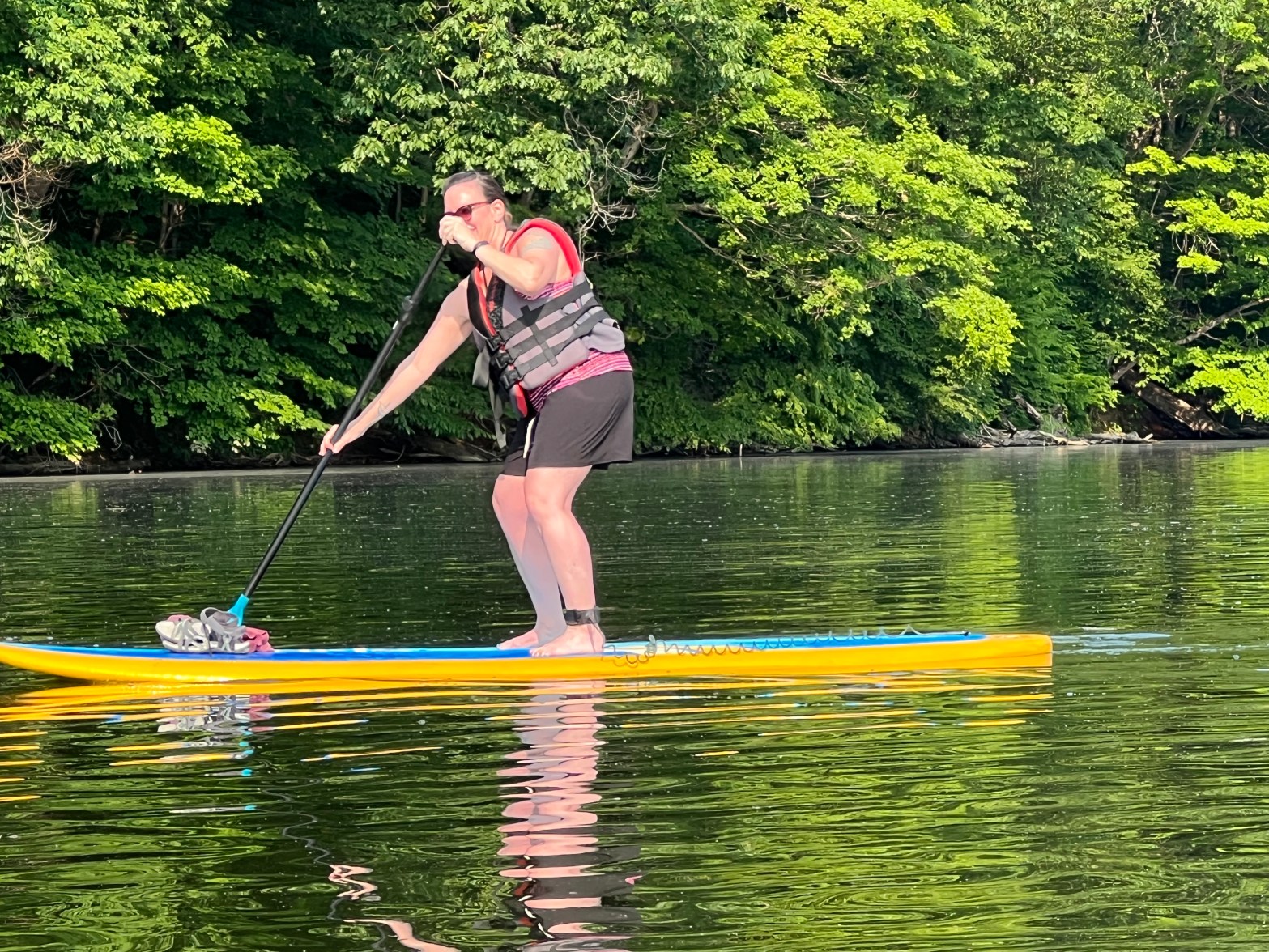
During one of “try out this new skill” SUP breakouts, another participant and I were trying to make a flotilla from our boards. “Do you work for IU?” he asked. “I just left IU a month ago,” I replied. “Congratudolences?”
The meaning of water

Taking that 200-level ecology course was a sliding door moment for me. It changed my life trajectory, my worldview about my own power and place, and my associations and affiliations. It was the start of a new self-narrative.
Music lessons

Our musical communities anticipated and accepted change as a gift of the experience. Thus, passages, initiations, and transitions were opportunities to collectively honor what had been and celebrate what’s ahead. During my senior year, we created our own musical festival on a Friday night in the school cafeteria called “Wild Things,” a homegrown extravaganza including a drum circle (organized by our science teacher) and our class’ garage band, Pale Green Pants (my favorite song of theirs was “Chunky Monkey”). The cast of Annie gave me a rubber dog bone as a get-well present after I sustained a serious dog bite while working at a vet clinic that same summer after my senior year (yes, I had _four_ part-time jobs that summer of 1992).
 Katie Kearns