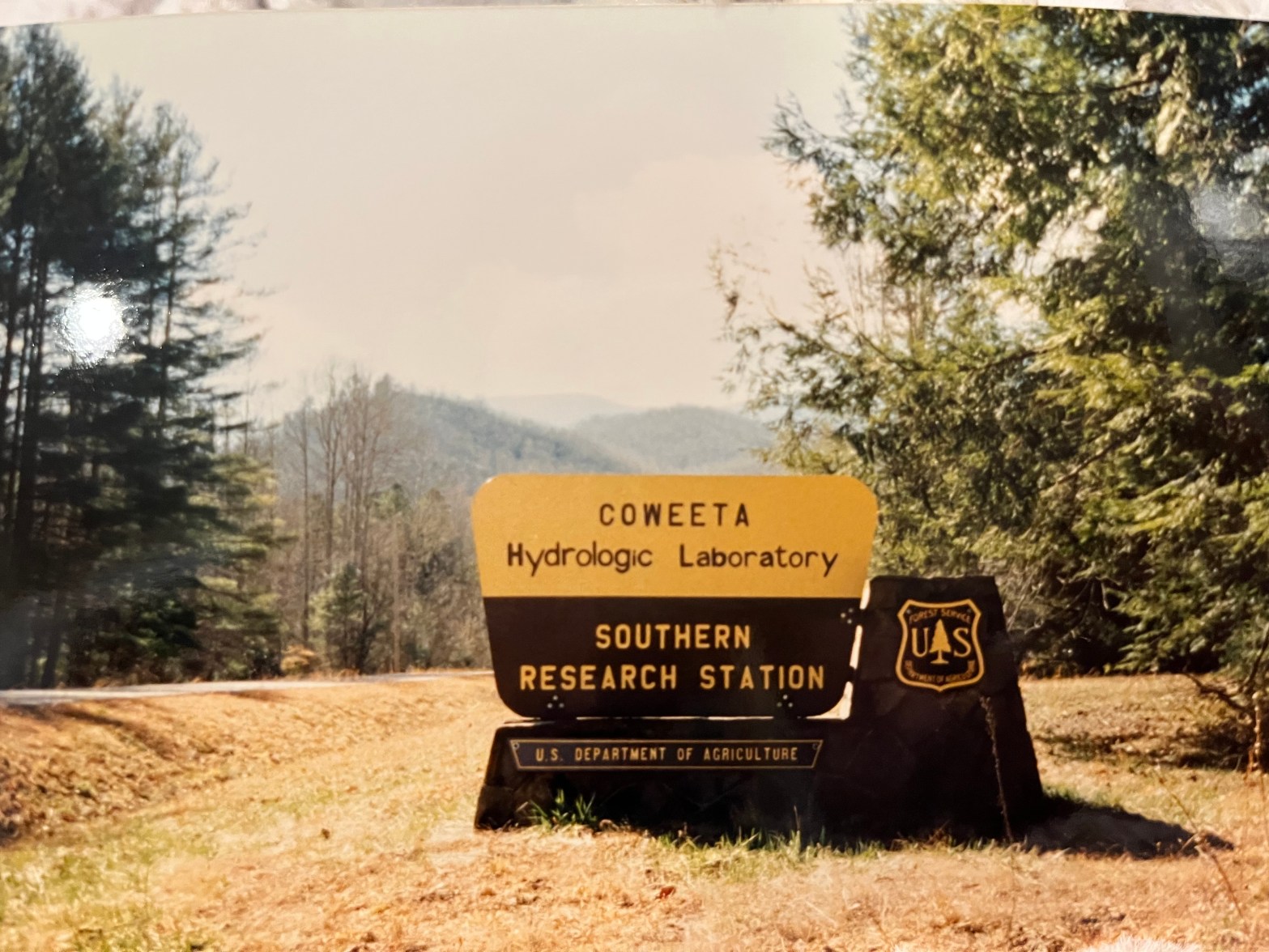
As much as I enjoyed living in the mountains of western North Carolina, I became aware that I did not enjoy the experiment and field work enough to keep going or do it over. The research question was important, but I needed to not be the person doing it with degree progress depending on the weather cooperating. My dissertation life had become unmanageable to me.
Tag Archives: mentoring
Not just a course design institute

“Transforming Your Research Into Teaching” (TYRIT) came about because eight people, each leading their own course design institutes for graduate students and postdocs at different institutions, thought there must be a better way to do this. We were each delivering the same course design content in workshops, and we were finding ourselves reiterating the content in one-on-one consultations about job application materials. Drawing upon previous work from a member of our team, we started asking questions about the potential design of a course institute for grads and postdocs. Most of all: What if multi-institution, flipped model, hybrid workshops weren’t just about delivering content at scale, but about supporting boundary-crossing communities of belonging and purpose?
Motivation and (di)stress
For the pedagogy course I’m teaching, we’re reading How Learning Works. In Chapter 4, they summarize research about motivation and the interactions among goals, task value, expectations of success, and environmental support. As mentors, coaches, and consultants to graduate students, we support their process of discernment and resourcing to support their internal motivations. We help them identify and clarify the intrinsic and utility values of a task they want to do or are expected to engage in. We help them set reasonable expectations for their success by helping them identify their existing strengths as well as needed skills for new tasks. And we are an affirming space that helps them develop a plan for connecting with additional resources and assistance. What about the fear-avoidance behaviors as part of motivation?
Love letters from graduate students

I received the email about the book award the evening before I made my resignation public. That message helped me balance my grief with all of the loving relationships and communities I had been a part of creating over my 18 years. As I depart this university, I cherish the book and the contained graduate students’ essays as love letters. Between the lines, I can see, hear, and feel what mattered to them about the worlds we co-created.
I identify as a facilitator
In distant kinship to midwives and doulas, I help graduate student individuals and groups give birth to new ideas and new self-/group-concepts. It’s up to the person or group to decide what direction they want to grow in, and then I help them develop their capacities. That might be about having new ideas, developing a more complete understanding of a problem, nurturing compassion for difficulties, practicing new skills, or committing to a bold action.
I want to be a turtle grandma
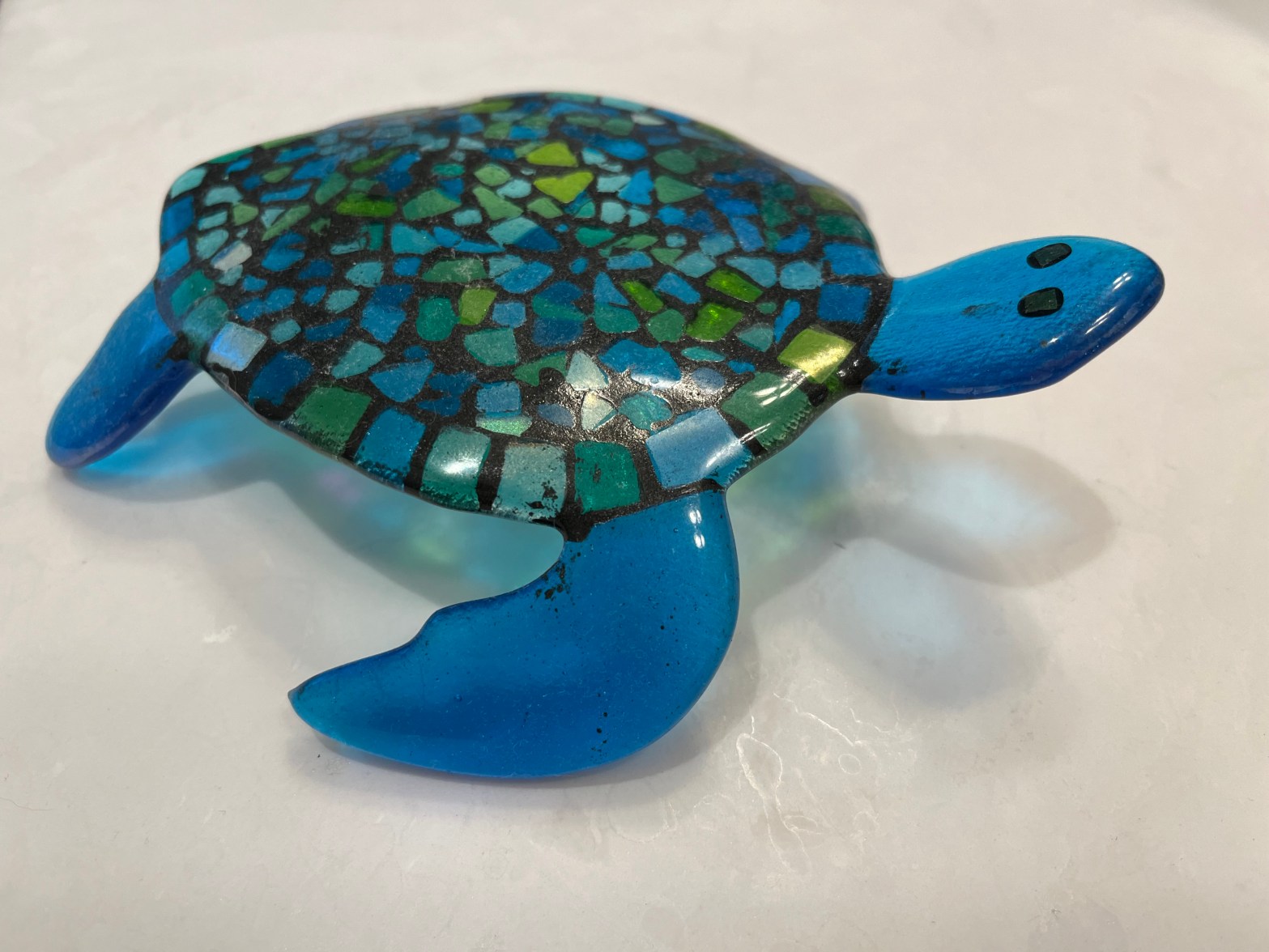
The turtle grandmas are shepherds, protectors, and keepers of space for the nestlings. They do pastoral work, watching over the nests and being present before, during, and after the turtles hatch. They facilitate the flow of nature.
Self-reflection: Developing awareness of your inner spark
I want PhDs to be able to communicate about their skills, interests, values, preferences, and strengths: who they are, what they need, and what fulfills them. Self-knowledge helps PhDs make conscious choices in all aspects of their lives that are aligned; they will know why they are doing something and whether they are acting in alignment with their values and commitments. When graduate students and postdocs are consciously engaged in the curation of all aspects of their lives, their academic work can be in balance and harmony with rest, play, movement, creativity, friendships, family, and community.
Accompaniment in graduate student development
Graduate students, postdocs, and colleagues are contemplating change, a process of dramatic and emotional self-examination, assessing their environment, weighing options, evaluating their aid systems, and assembling their supportive relationships. Their imaginations are wild with possibilities. They know they are approaching a choice to voice what they want for their true selves. They know they are preparing to, but aren’t quite ready to, decide whether to let a past version of themselves go and a new version emerge. I hold space for graduate students, postdocs and professional development coaches who are contemplating, considering, preparing for, and committing to change.
Toolboxes and Treasure Chests
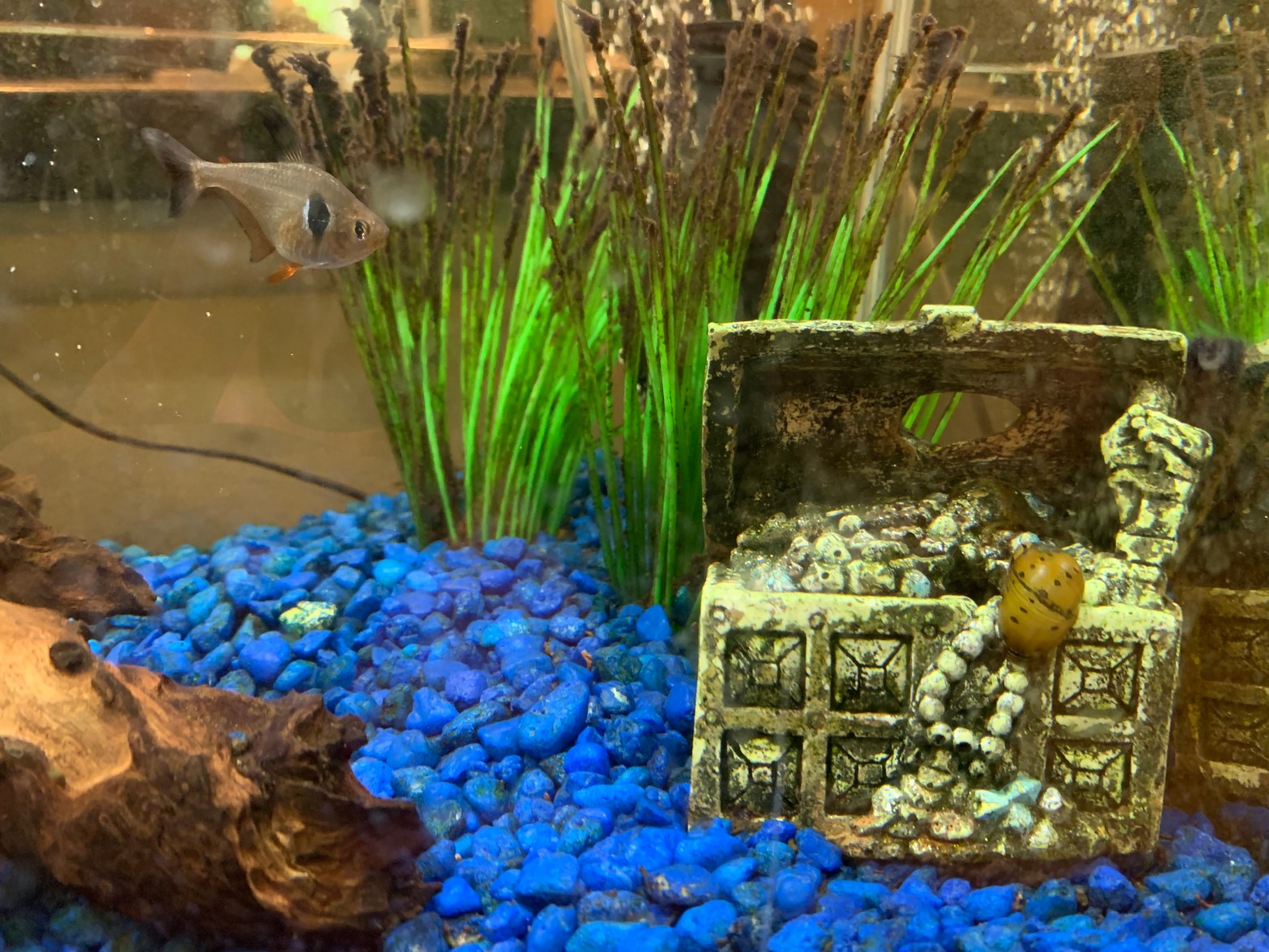
On the radio on a drive to pick up dinner last night, the interviewee mentioned having a “treasure chest of responses” in regards to their parenting. Not a toolbox. A treasure chest. That shift in word choice changed a lot about my perspective on the relationship of teacher-student and facilitator-instructor.
Beyond one-size-fits-all teaching tips
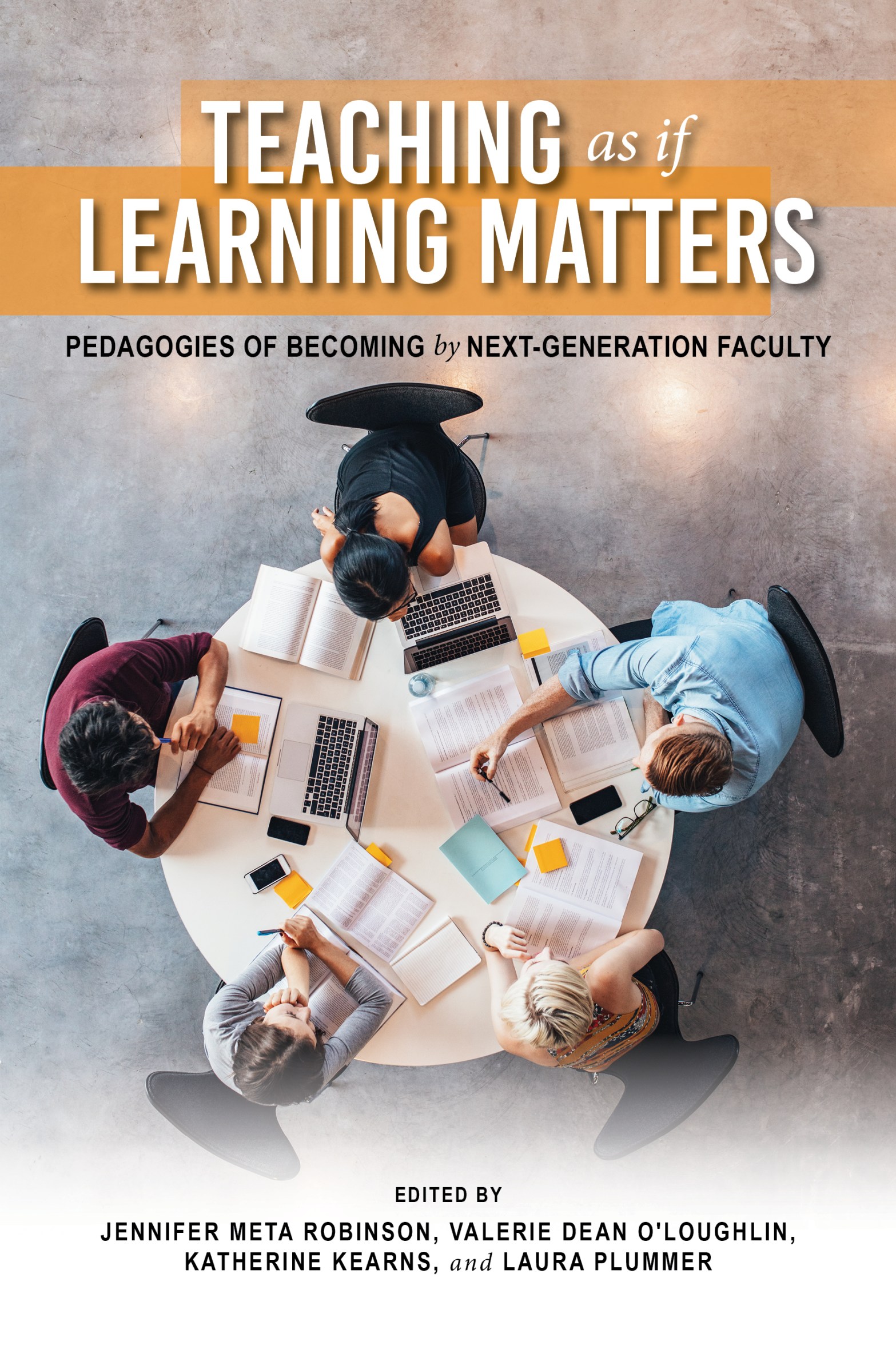
“We think graduate students have a story to tell about their teaching. How have you come to think about teaching as you do? What are the most meaningful teaching activities, accomplishments, barriers, and outcomes for you?”
 Katie Kearns